
Recycling
Keeps America Beautiful & Strong
Recycling offers an America that is more self-reliant, more beautiful and sustainable
The vast majority of Americans support recycling. The support goes beyond the act of putting waste into the recycling bin.
- Consumers want more products made from recycled materials.
- Businesses are developing new ways to use recycled materials to meet consumer demand.
- Municipalities want to recycle more, reducing the need for landfills
TEST YOUR RECYCLING SMARTS!
Find out if you’re a recycling whiz or if there’s still some eco-friendly wisdom to pick up by taking our interactive quiz. You might be surprised by what’s recyclable (and what’s not)!
RECYCLING
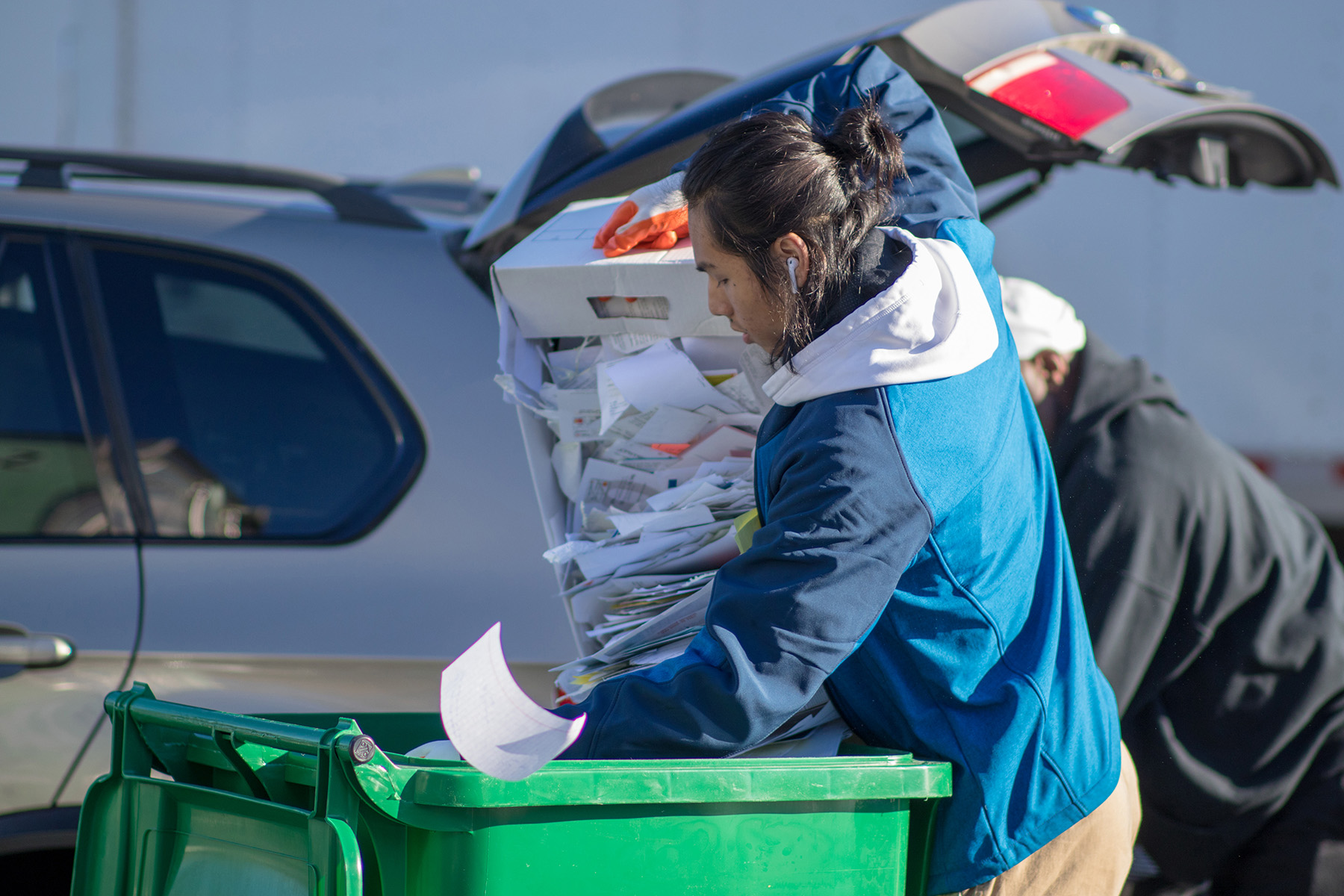
SAVES ENERGY & RESOURCES
We use fewer natural resources such as trees, water and minerals when we recycle. Plus, when you extract and process fewer raw materials, you save lots of energy.
Reduces Landfills
Recycling means less waste, which cuts down on the need for landfills and incinerators.
Reduces Greenhouse Gases
Extracting and processing raw materials causes greenhouse gas emissions– recycling reduces this pollution.
Sustains the Environment
Recycling now helps to create a better planet for future generations
Creates Jobs
Extracting and processing raw materials causes greenhouse gas emissions– recycling reduces this pollution.
Gives Garbage New Life
When you recycle used items, you create something new (which is pretty cool).
IN THE NEWS
Keep America Beautiful Recycling Pilot Shows Strong Results at Grand Teton National Park
Collaboration with TerraCycle® and Grand Teton Lodge Company®, with support from the National Park Foundation helped reduce landfilled waste, improve diversion, and create new recycling options for hard-to-recycle materials.
Inside the Effort to Keep Our National Parks Clean Beautiful
From Cape Cod to Yellowstone, discover how partnerships, education, and smart design are helping visitors reduce their impact and preserve the country’s most treasured landscapes

Keep America Beautiful Honors Marine Corps Logistics Base Barstow with 2025 America Recycles Day Hero Award
Marine Corps installation honored for advancing recycling and sustainability across its 5,567-acre desert base
KAB Impact By The Numbers
In 2024, nearly 500,000 hard-working volunteers logged more than 2.6 million volunteer hours throughout over 61,000 events.
What did our combined service to our communities accomplish?
POUNDS
of recycling collected
POUNDS
of litter and debris collected
PLANTS & TREES
planted, helping restore communities
PUBLIC SPACES
cleaned of litter and debris
MILES
of roadways cleaned and beautified
MILES
of waterways cleaned
Partnering for Change
Keep America Beautiful works across sectors to address the challenges in implementing dramatic increases in recycling.
Working Within Communities
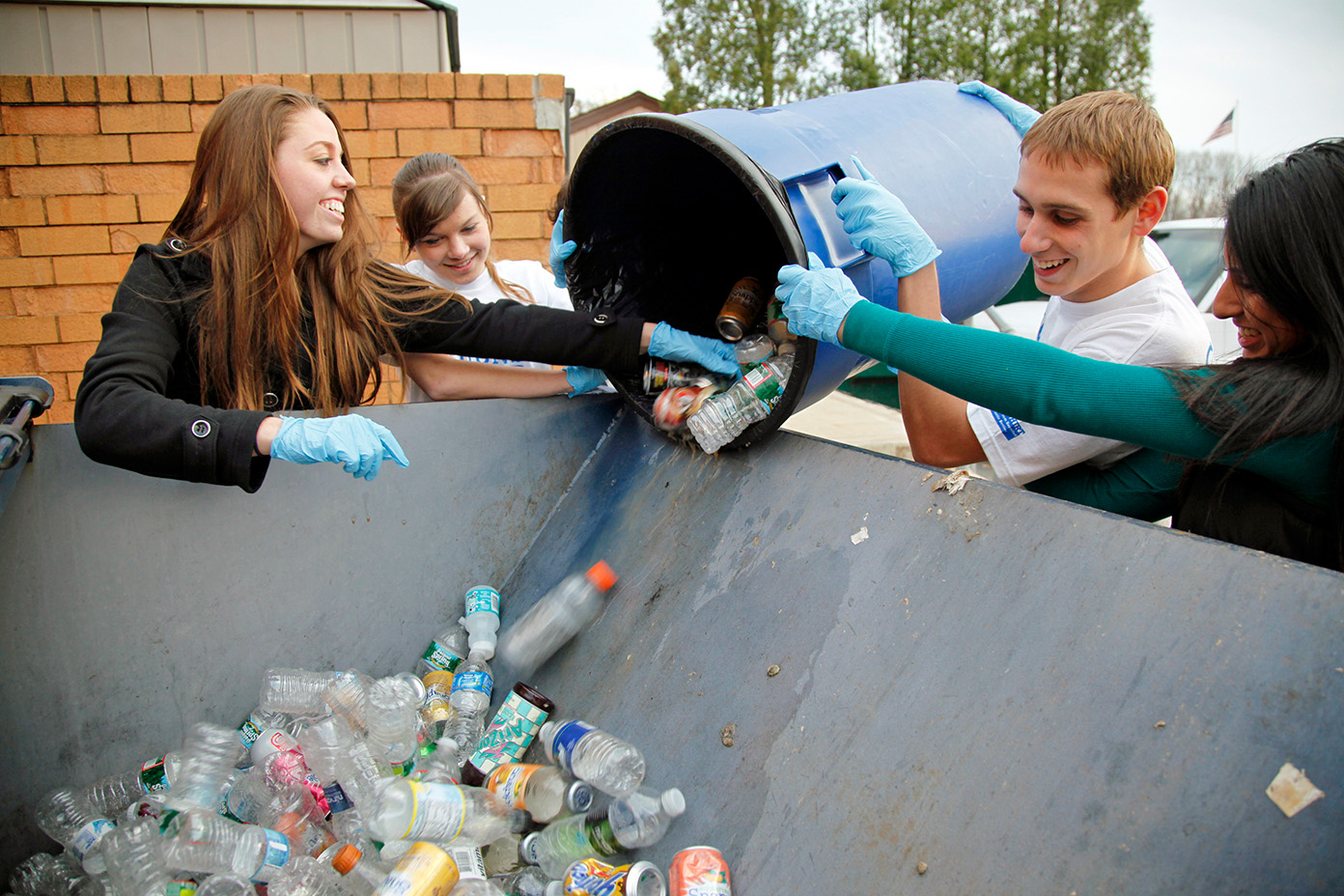
KAB affiliates work in thousands of towns and cities to bring together municipal, school, business and community leaders to advance recycling.
Our affiliates also mobilize tens of thousands of volunteers each year to clear litter from our parks, streets and waterways. Over the past decade, 750 million pounds of litter and recyclables have been collected by KAB volunteers. About 34% of the litter collected is now recycled.
Taking Statewide Action
Advancing Statewide Action
Communities may lack the necessary resources to launch and sustain effective recycling initiatives. Recycling success also requires regional, cross-community coordination. KAB’s statewide affiliates work to bring resources and coordination to local efforts.
Keep Texas Beautiful: Bringing Sectors Together for Rural Recycling
Keep Texas Recycling (KTR) focuses on cooperative opportunities for recycling in rural and underserved communities. KTR’s services include implementation consultation, negotiations with purchasers of recyclables , community outreach and grant writing services. KTR members have recycled over 310 million pounds since 1994.
Keep California Beautiful: Educating the Next Generation
The K-12 Recycling Challenge promotes and encourages recycling across California. The competition between schools and recycling coordinators resulted in over 7.7 million pounds of recyclables collected in the past five years.
Keep Georgia Beautiful: Creating Jobs Through Recycling
In 2021, Keep Georgia Beautiful affiliates recovered over 103 million pounds of recyclable materials. Building its directory of collectors, brokers, processors and end users, KGB actively supports the development of the market for recyclable materials.
Working Together On Recycling
Educating And Organizing
At a national level, we are working to increase the commitment to recycling through educating and organizing.
Learn more about some of our national education campaigns below:
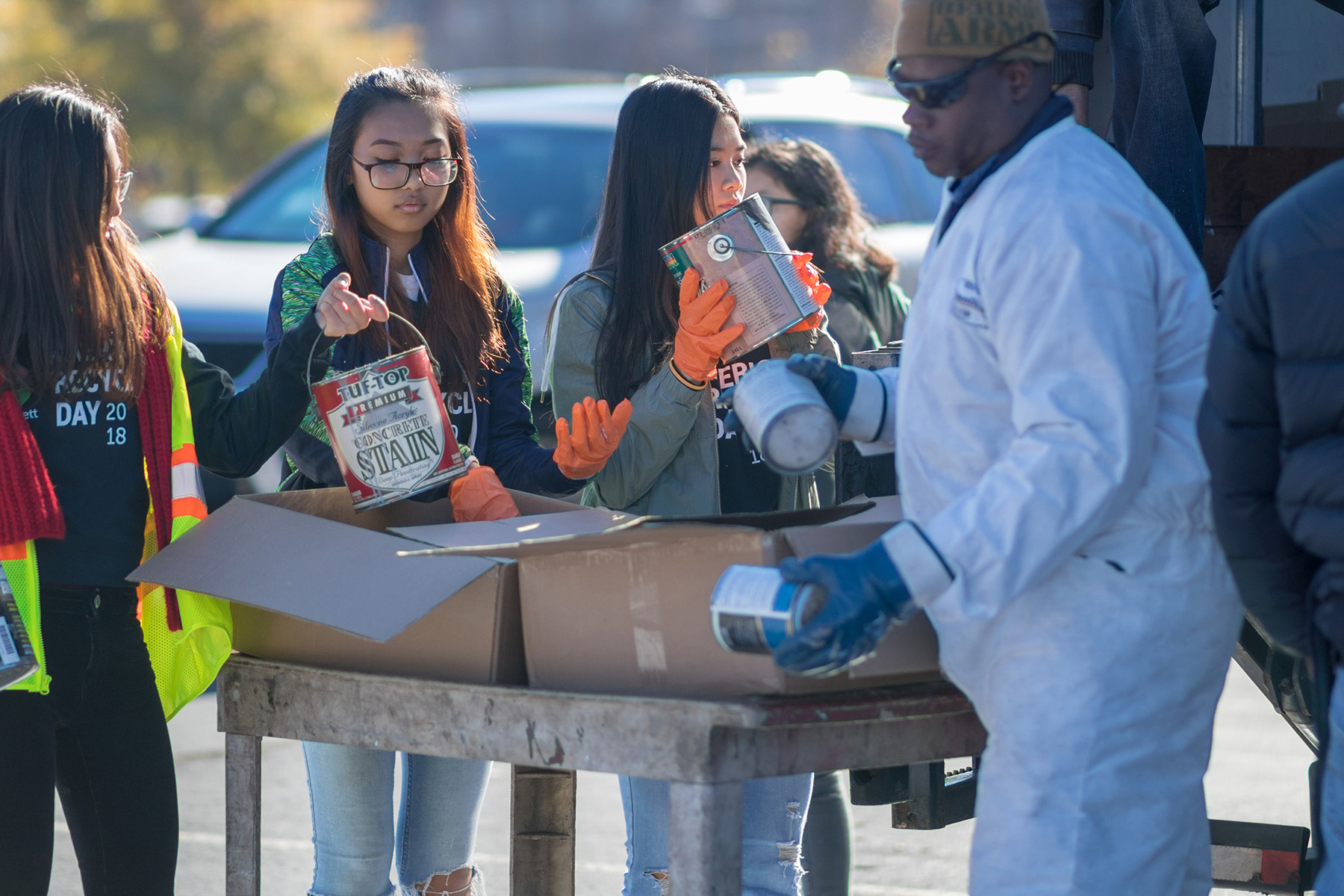
America Recycles Day®
A national event that brings awareness, appreciation and renewed commitment to recycling in the United States! Learn how you can be part of this national day of action.
Take the recycling quiz
Do you know the best ways to reuse materials and save natural resources? Test your knowledge and learn more, take the Recycling Reality Check Quiz today!
Cigarette Litter Prevention Program
Since 2002, our Cigarette Litter Prevention Program, the nation’s largest program aimed at eliminating cigarette litter, has been implemented in over 1,800 communities, reducing cigarette litter by HALF within six months, on average.
Recycling Resources
Looking for additional information on recycling? Whether you’re an individual looking to find recycling near you, a teacher looking for resources, or a corporation seeking direction on how to be more sustainable, take a look at our resource page!