
I Pledge to Join the
Greatest American Cleanup
I pledge to join the Greatest American Cleanup to help create a cleaner, greener community. By working together, we can make our neighborhoods more beautiful in honor of America’s 250th birthday.
Everyone in America Can Get Involved and Be Part of
The Greatest Cleanup Event in History
I pledge to join the Greatest American Cleanup to help create a cleaner, greener community. By working together, we can make our neighborhoods more beautiful in honor of America’s 250th birthday.
Take The Pledge
Choose Your Journey and Be Part of The Movement Today!
After you take the pledge, there are more ways to get involved in the Greatest American Cleanup!
Join Us
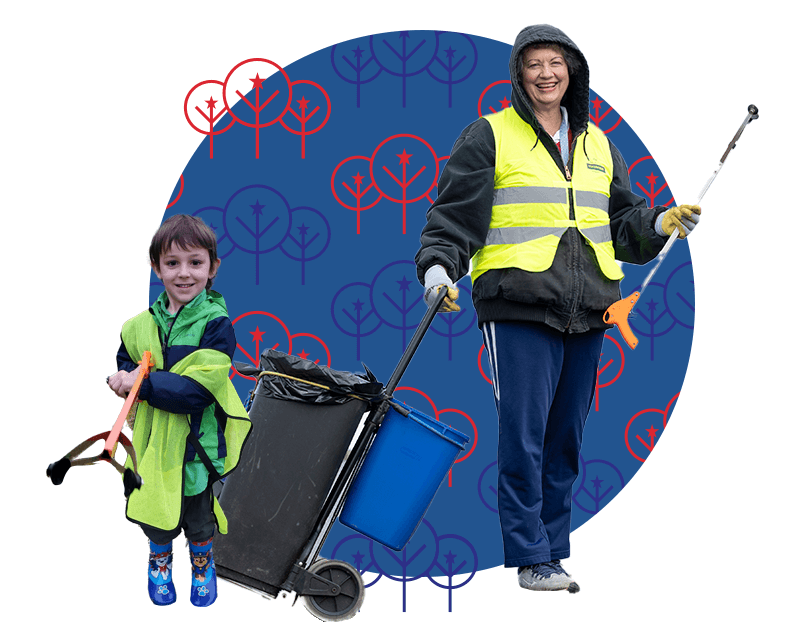
When it comes to litter, individual actions make a difference. Become part of the Greatest American Cleanup and learn how you can help make America litter free.
Let’s Do This Together!
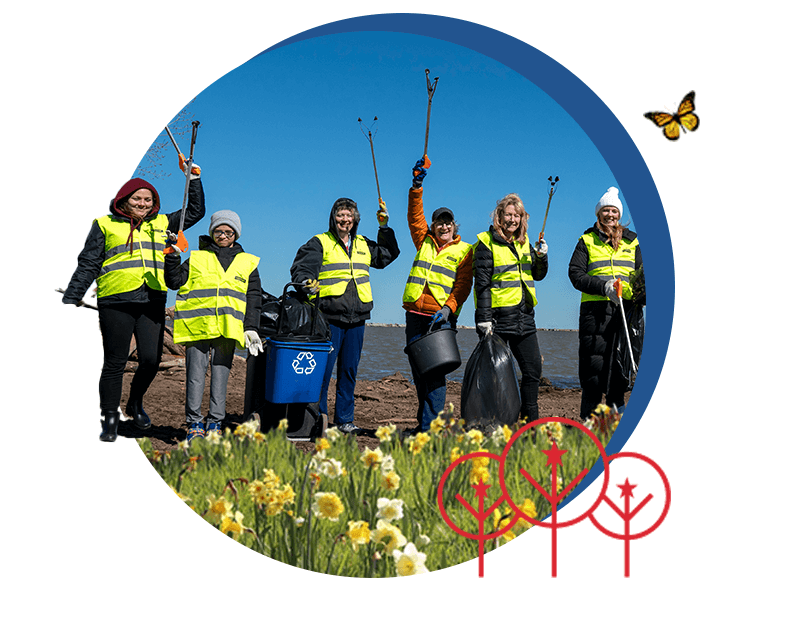
We’re seeking groups of all kinds – big, small, young, old, non-profits, government, schools, book clubs and more – across the USA to pledge their support for the Greatest American Cleanup, commit to cleaning up their community, and inspire others to do the same.
Partner With Us!
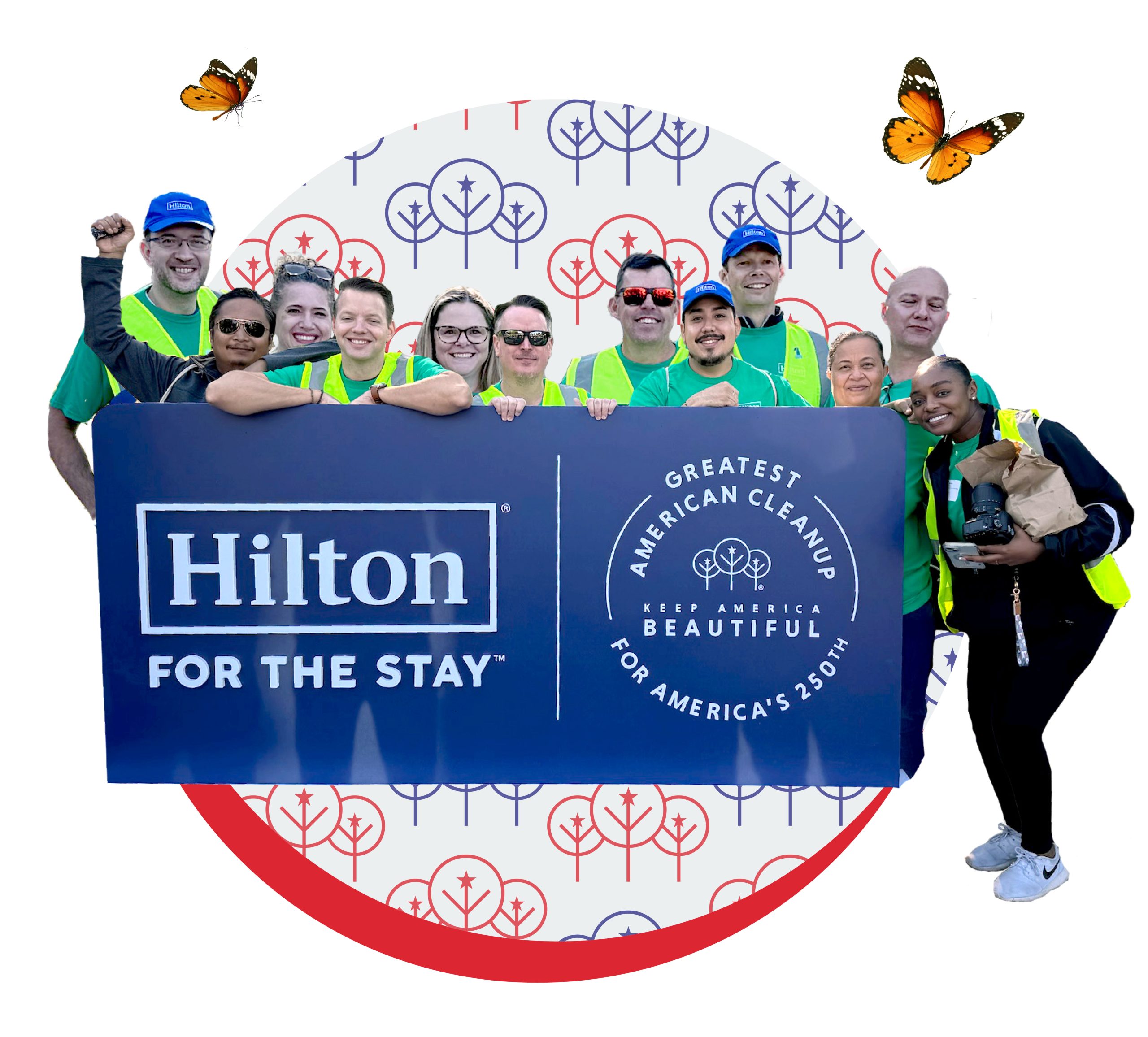
We’re inviting companies to be part of something big! Join us and we can help you engage your employees, customers, and communities in the Greatest American Cleanup.
Our Latest Stories

Keep America Beautiful Marks 25th Anniversary of 9/11, Inviting Americans to Make a Positive Difference in their Communities
Cleanup, beautification, and other acts of service part of America’s Day of Doing Good, the largest day of community action in U.S. history
From Highways to Coastlines: New Research Uncovers the True Scope of Litter in America
Listen to this podcast episode exploring the methodology, data collection, and key insights behind the Keep America Beautiful 2026 National Litter Study.
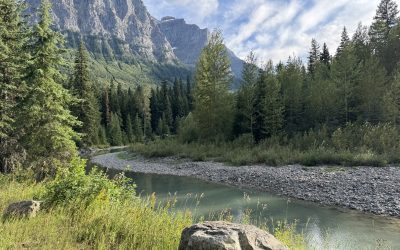
Keep America Beautiful Recycling Pilot Shows Strong Results at Grand Teton National Park
Collaboration with TerraCycle® and Grand Teton Lodge Company®, with support from the National Park Foundation helped reduce landfilled waste, improve diversion, and create new recycling options for hard-to-recycle materials.
The Greatest American Cleanup is made possible by the support of great companies like these:

American Express Foundation
Dart
Special thanks to the artists that donated their time and talent to our cause:
Photography: Nancy Andrews
Vocalists on Videos: Eric Scott & Patty Reese